
Insights
Cross stuffing in Jebel Ali: when it makes sense and when it does not
Cross stuffing is a sound answer to a carrier restriction, but it does not suit every cargo. How to decide, and what documentation to insist on.
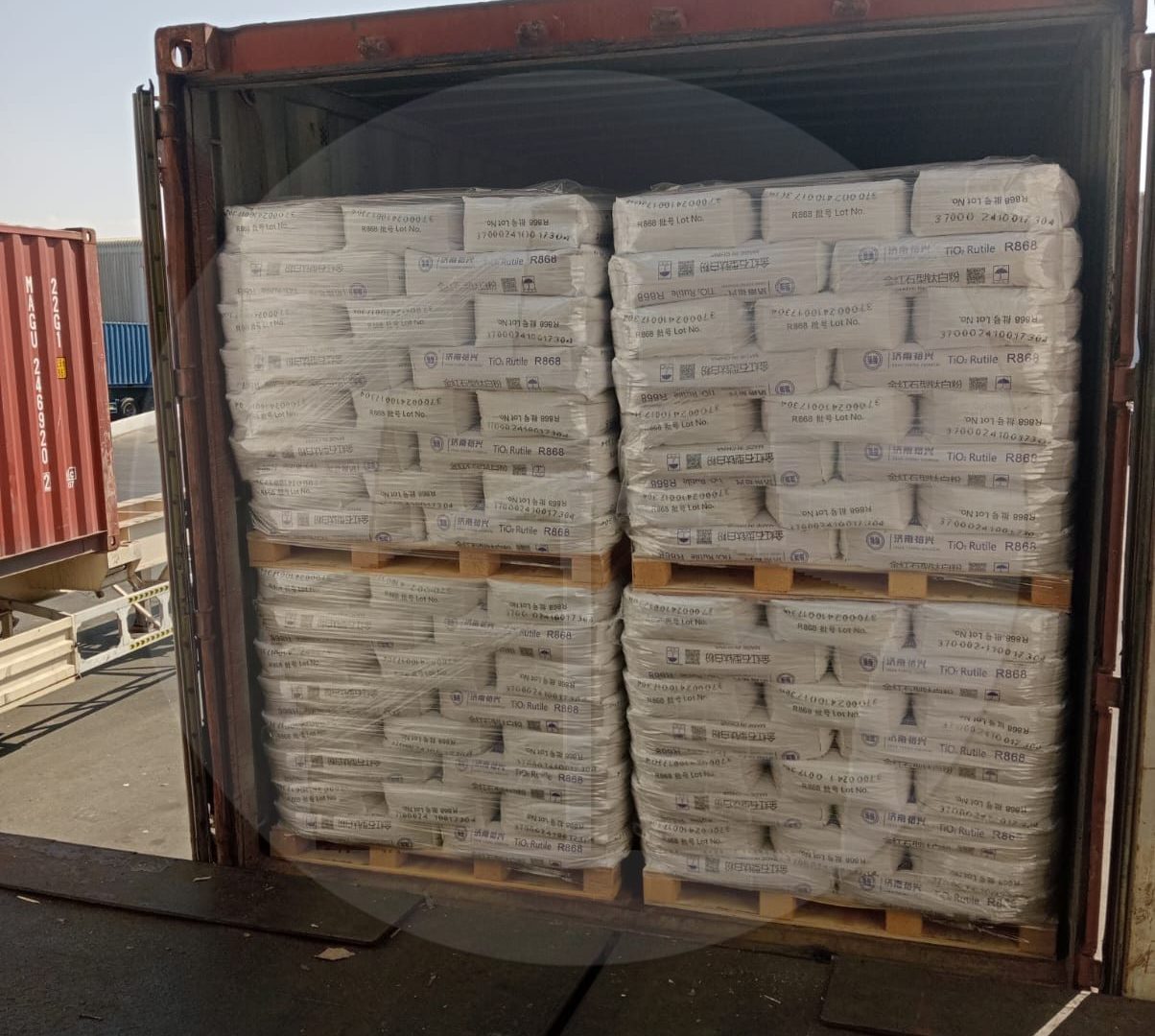
When a carrier will not send its container to an Iranian port, cross stuffing is the obvious answer: the cargo is stripped in Jebel Ali and reloaded into a box that does go to Iran. But it is not always the best option, and deciding is a matter of a few plain questions.
First: is it actually necessary?
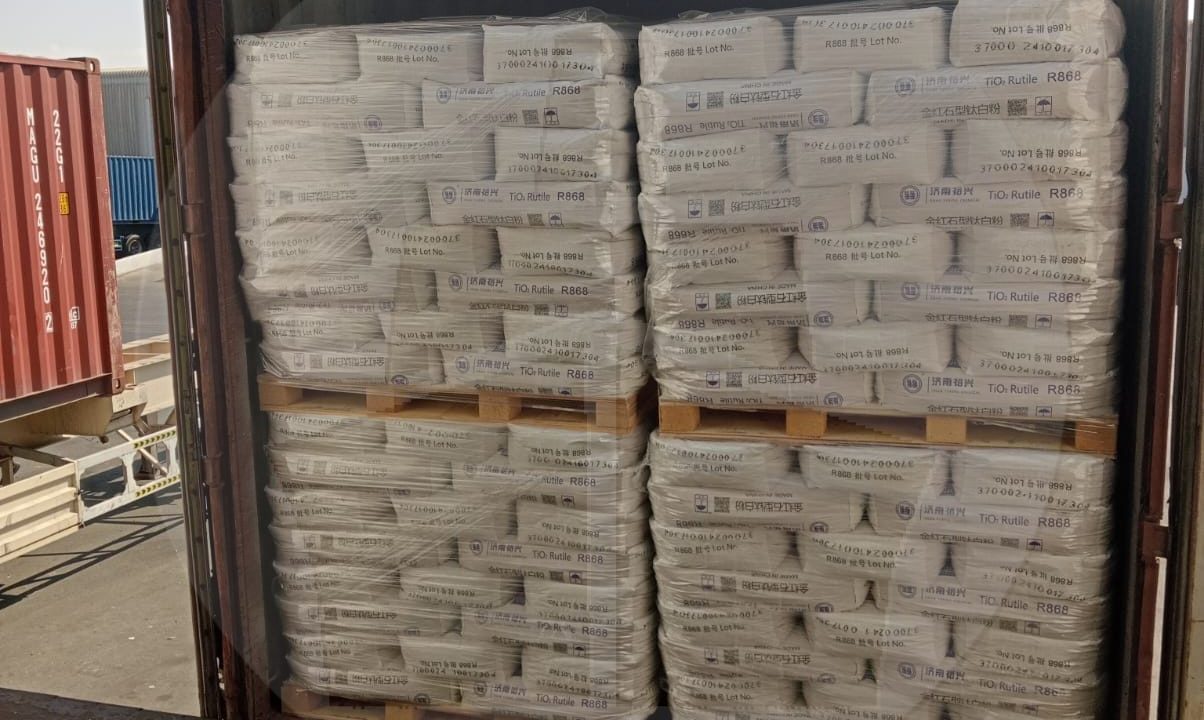
Sometimes there is a simpler route. If another line will carry the same cargo to Shahid Rajaee in its own container, even at a somewhat higher rate, that is usually cheaper and lower risk than stripping and reloading. Ask for that option and compare before deciding.
Compare on three numbers rather than one: the difference in ocean freight, the cost of the cross stuffing plus any likely storage in Jebel Ali, and the value of the time you lose or gain.
When it makes sense
- The origin carrier does not serve Iran. The simplest and most common case. The cargo comes as far as Jebel Ali and continues in a different box.
- You are buying from several suppliers. Gathering small consignments from different origins in Jebel Ali and sending one container to Iran is almost always cheaper than shipping each separately.
- One container is for several consignees. Splitting it in Jebel Ali means each consignee has their own documents and their own customs file, so one clearance does not hold up another.
- The packaging is not up to it. Reworking or re-palletising is far easier before the cargo reaches Iranian customs than after.
When it does not
- The cargo is fragile or handling-sensitive. Every extra handling is a risk. On some commodities the cost of one claim outweighs the whole saving.
- The schedule is very tight. The operation itself is a day or two, but empty container availability and the next sailing can add considerably more.
- The cargo will sit in the yard. If the destination container is not ready, the cargo waits in Jebel Ali and terminal storage starts. Look at that number in advance.
- The commodity is restricted. Some dangerous goods classes cannot be opened and handled in a general yard at all, and that needs checking before anything is booked.
What to insist on
If you do go ahead, ask for these four in writing — not because anyone is expected to behave badly, but because if a claim is raised later it has to be clear where the damage happened:
- A photograph and the number of the origin seal, before the container is opened.
- A tally and condition report once the cargo is out.
- Photographs of the stow and lashing in the new container.
- The new seal number and a copy of the bill of lading issued.
A few practical points about the stow
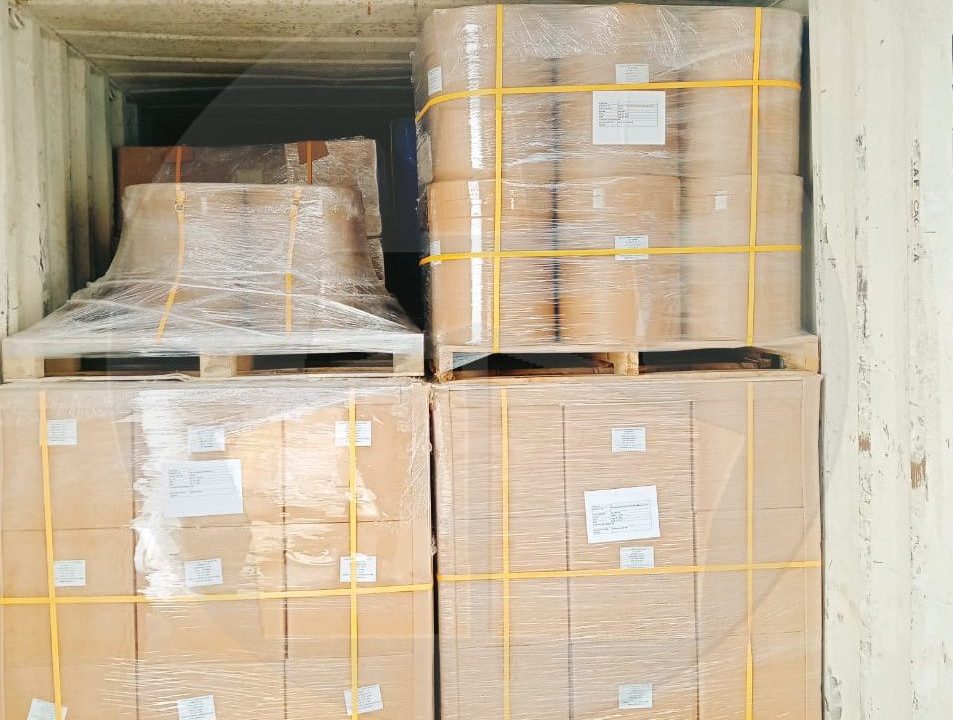
Reloading gives you an opportunity a straight shipment does not: the stow can be improved. A few things are worth saying out loud:
- If the cargo arrived loose and you want it palletised at destination, palletise it here. It is cheaper than doing it in Iran.
- If the weight is close to the road limit, specify how it should be distributed along the container — weight bunched at one end causes problems at the weighbridge.
- Correct any marking before the new seal goes on. Correcting marks once the cargo is inside Iranian customs is a nuisance.
For the full procedure see our cross stuffing page, and to estimate any yard dwell, the Jebel Ali storage calculator.
Related reading
Five reasons your container is sitting at Bandar Abbas
Delay at Shahid Rajaee rarely has an exotic cause. It has five repeating ones, and most of them could have been settled before the vessel arrived.
View →Transit through Iran to Central Asia: what to settle before you book
Four things that, left unresolved before booking, wipe out the saving the Iranian route offers — from who discharges the guarantee to what delivery actually means.
View →Get your freight rate today
Send us the origin, destination, commodity and approximate weight. We reply within one working day.