
Insights
Road freight from Europe to Iran: a complete guide to groupage (LTL) and full truck loads (FTL)
From anywhere in Europe to customs in Iran: which method suits your cargo, how the rate is calculated, which documents you need, and how far CMR insurance really goes.
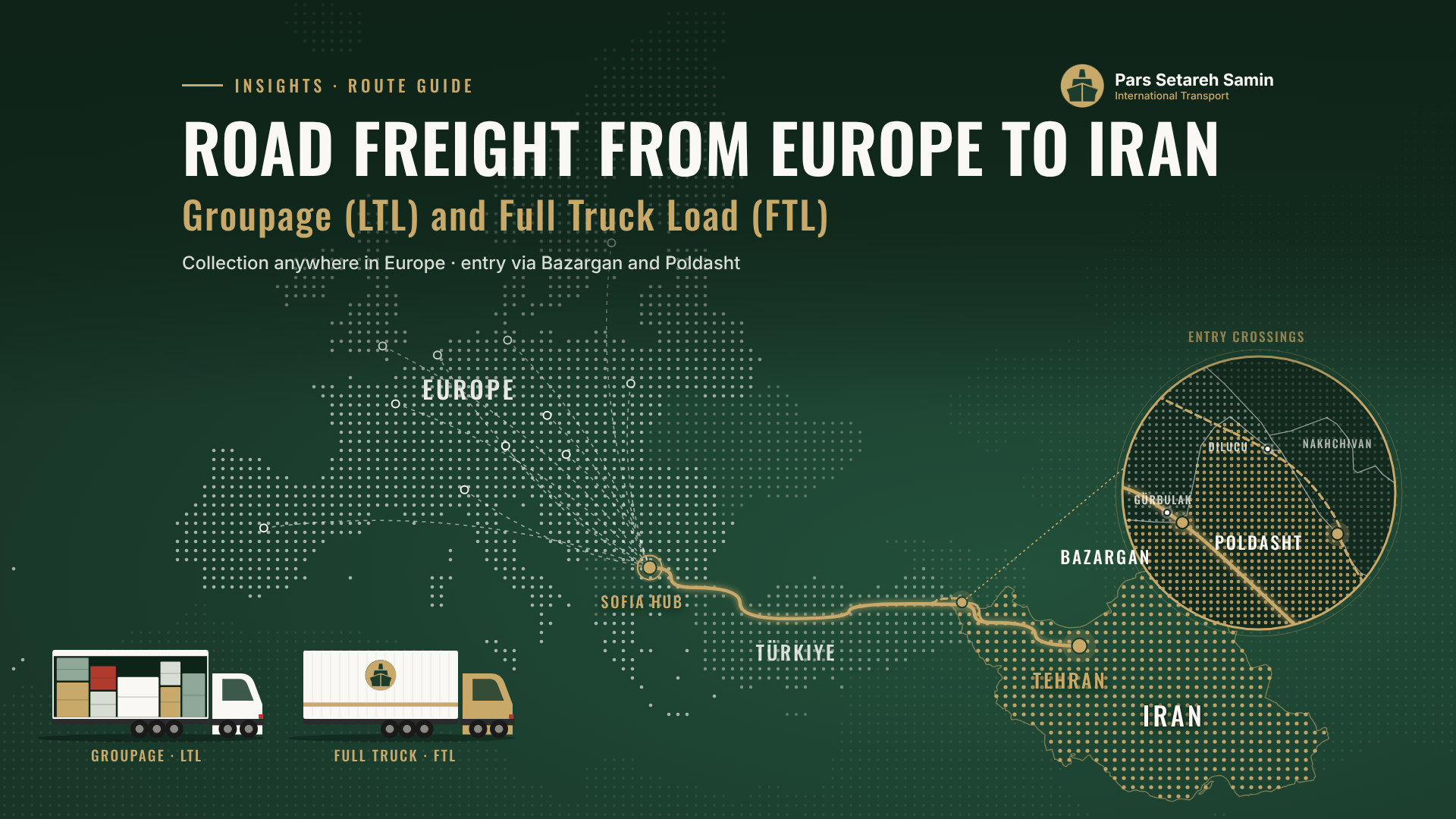
Road freight from Europe to Iran moves in one of two ways. Groupage (LTL) consolidates your cargo with other shippers’ in a shared trailer, so you pay only for the space you use. A full truck load (FTL) gives your cargo the whole trailer, sealed at origin and untouched until destination. Pars Setareh Samin collects from anywhere in Europe, routes through Türkiye, enters Iran at Bazargan or Poldasht, and stays with the shipment through customs to the consignee’s door.
Choosing between the two is not only a question of volume. The value of the goods, how well they tolerate handling, whether they can be stacked, the trailer they need and the paperwork that has to be ready at origin all change the landed cost. This guide covers what should be settled before you book.
How does road freight from Europe to Iran work?
Whether the cargo moves as groupage or as a full truck, it passes through the same five stages:
- Collection from the supplier. The cargo is collected from the supplier’s warehouse or factory, anywhere in Europe. If your purchase terms are EXW, loading and export formalities need to be planned from the very start.
- Consolidation or direct loading. Groupage cargo goes to a consolidation warehouse — in the origin country itself or at our hub in Sofia, Bulgaria — and is built into a trailer with other consignments. A full truck is loaded and sealed directly at the supplier.
- Export declaration at origin. Goods leaving the European Union are declared for export and receive an MRN. The CMR road consignment note is issued at this stage.
- Through Türkiye and into Iran. The truck crosses Türkiye under a TIR carnet and enters Iran at Bazargan or Poldasht. The TIR system lets sealed cargo pass intermediate borders without full inspection.
- Clearance and delivery in Iran. The cargo travels under the same seal to the inland customs office of destination — for most clients, one of the Tehran customs houses — and is delivered to the consignee once cleared.
What is groupage (LTL) freight, and when does it make sense?
In groupage — LTL, or less than truck load — several shippers share one trailer. Each consignment is collected separately, built up at a consolidation warehouse alongside the others — in the origin country or at our Sofia hub — and the trailer then moves to Iran as one unit. You pay only for your share of the space.
Groupage is built for cargo that does not fill a trailer: a few pallets of spare parts, a small industrial machine, packed raw materials, commercial samples. For an importer who wants to buy in smaller, more regular lots and keep less capital tied up in stock, it is the main tool.
How is groupage priced?
Groupage is charged on chargeable weight: the greatest of the actual weight, the volume, and the length of trailer floor the cargo occupies. That floor length is measured in loading meters (LDM). A Euro pallet of 120 × 80 cm that cannot have anything stacked on top counts as roughly 0.4 LDM.
This is why two shipments of the same weight can carry very different rates. A pallet that can be stacked on uses less of the truck and costs less to move. We state the volume and LDM conversion factors on every quotation, so rates can be compared like for like.
Advantages and limits of groupage
- Lower cost for small shipments. You do not pay for a full trailer to move a few pallets.
- Less working capital. Purchases can be split into smaller lots.
- More handling. Cargo is unloaded and reloaded at the consolidation warehouse, so packing must be built for it.
- Dependence on other consignments. The trailer moves once it is full and every shipper’s documents are in order; one incomplete file affects everyone on board.
What is a full truck load (FTL)?
With a full truck load, the whole trailer is dedicated to one shipper. It is loaded and sealed at the supplier’s premises and is not opened until it reaches customs in Iran. There is no consolidation warehouse and no intermediate handling.
FTL is the natural choice for:
- Cargo that fills around half of a trailer or more.
- High-value or sensitive goods — precision machinery, electronics, automotive parts — where every extra handling is a risk.
- Heavy cargo that reaches the truck’s weight limit, even if it takes little space.
- Shipments the buyer wants delivered under the origin seal, unopened in transit.
Trailer capacity and equipment
A standard European trailer is about 13.6 m long and 2.45 m wide inside, takes 33 Euro pallets on the floor in a single layer, and typically carries a payload of up to around 24 tonnes. Depending on the cargo, we use:
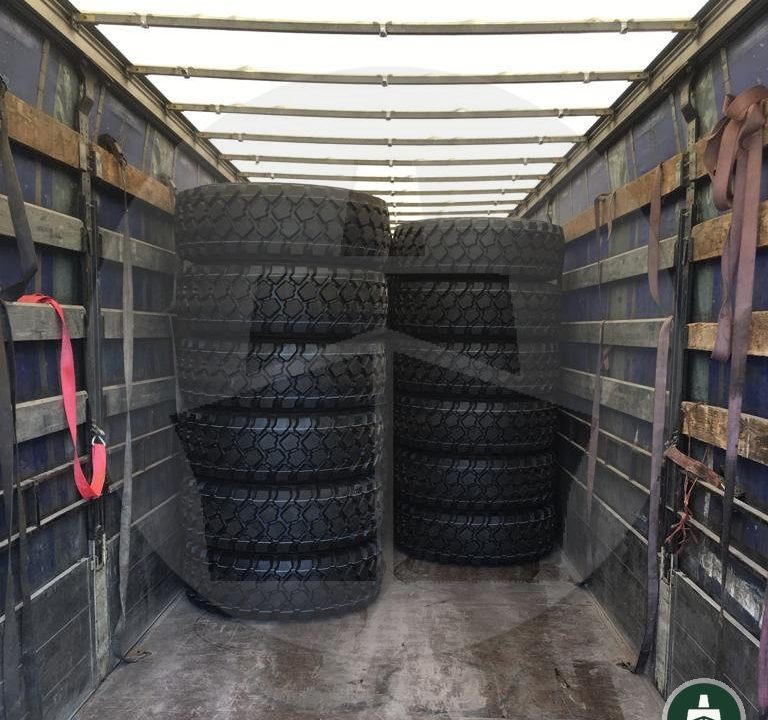
- Curtainsider (tautliner). The most common choice for palletised and general cargo, loadable from the side and top.
- Box trailer. For cargo that needs a fully enclosed body.
- Mega trailer. Extra internal height for light, bulky cargo.
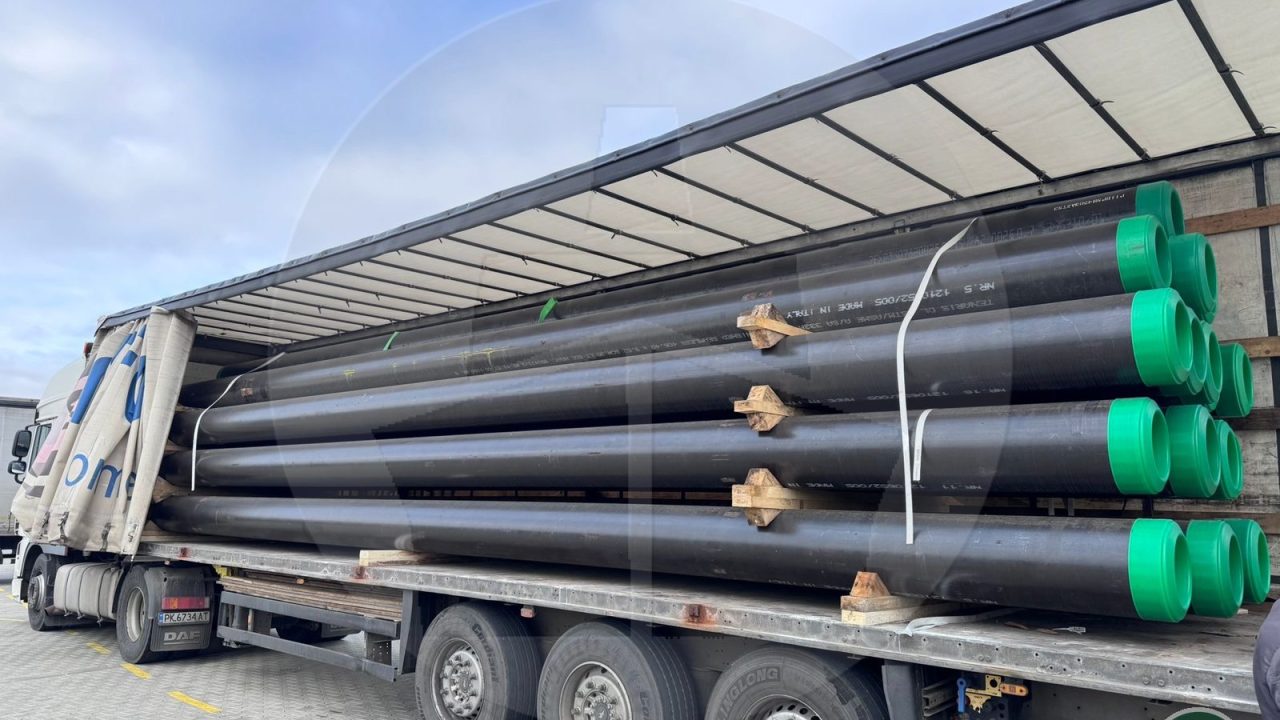
- Flatbed and low-loader. For machinery, pipe, steel sections and out-of-gauge cargo.
Refrigerated and temperature-controlled cargo is not part of our service on this route.
For mixed package sizes, use the truck loading calculator to explore a 3D arrangement in a suitable trailer. Check actual vehicle dimensions and payload with the carrier. The layout is a planning aid and does not calculate the chargeable LDM or a transport quote.
Groupage or full truck load? A side-by-side comparison
The practical differences between the two:
| Criterion | Groupage (LTL) | Full truck load (FTL) |
|---|---|---|
| Typical size | One pallet up to under half a trailer | Around half a trailer up to full capacity |
| Rate basis | Chargeable weight: weight, volume or LDM | Fixed rate for the whole trailer |
| Handling in transit | Unloaded and reloaded at consolidation | None — sealed from origin to destination |
| Best suited to | General cargo in robust packing | High-value, sensitive or heavy cargo |
| Loading schedule | Set by the trailer filling up | Set by your cargo being ready |
| Documents | Coordinated with other shippers on the trailer | Independent — only your own file |
| Dangerous goods (ADR) | Only in permitted combinations | With an ADR-certified truck and driver |
The rule of thumb is simple: once a shipment reaches roughly half a trailer, the FTL rate usually matches or undercuts groupage. At that point we quote both side by side, so the decision rests on numbers rather than guesswork.
The route and the border crossings: Bazargan and Poldasht
Trucks from Europe to Iran cross Türkiye. From there, two main crossings are open to us:
- Bazargan. In West Azerbaijan province, opposite Gürbulak on the Turkish side. It is the busiest road crossing between Iran and Türkiye, and most cargo from Europe enters Iran here.
- Poldasht. In the north of West Azerbaijan, on the border with the Nakhchivan Autonomous Republic. The truck leaves Türkiye at Dilucu, crosses Nakhchivan and enters Iran at Poldasht. When queues at Bazargan build, Poldasht is a valuable alternative.
The crossing is chosen shipment by shipment, weighing border queues, seasonal road conditions, the type of cargo and the customs office of destination. We report the cargo’s position at the borders and at the main points along the route.
Which European countries do you collect from?
Anywhere in Europe. From Germany, Italy, the Netherlands, France, Belgium and Spain to Poland, Czechia, Austria, Scandinavia, the Balkans, the United Kingdom and Switzerland, we collect from the supplier’s door. Groupage is consolidated either in the origin country itself or at our hub in Sofia, Bulgaria. Sofia sits on the main route towards Türkiye, so consolidated cargo leaves there directly for the Iranian border. The full list of origin countries is on our road freight from Europe service page.
Documents required for road freight from Europe to Iran
Most of the stoppages on this route happen in the file, not on the road. These documents should be complete and consistent with one another before loading:
- Commercial invoice with an exact description of the goods, value, currency and Incoterms, consistent with the order registration in Iran.
- Packing list with the number of packages, net and gross weights and dimensions; the weights must match the invoice and the CMR.
- CMR consignment note — the contract of carriage under the CMR Convention, recording shipper, consignee, description of goods and their condition on collection.
- TIR carnet — the customs transit document issued by the carrier and carried with the truck.
- Export declaration at origin for goods leaving the EU, with its MRN.
- Certificate of origin, required for most clearances in Iran.
- Order registration (sabt-e sefaresh) on Iran’s National Trade System — a precondition for clearing most imports, and it must match the invoice.
- Product-specific permits and certificates depending on the HS code, such as standards or health approvals.
Insurance: what CMR cover does, and what it does not
No part of a road freight contract is misunderstood more often. Under the CMR Convention the road carrier is liable for loss of or damage to the cargo, and covers that liability with a CMR insurance policy. But the cover is capped: the Convention limits compensation to 8.33 Special Drawing Rights (SDR) per kilogram of gross weight, and actual cover is subject to the terms and limits set by the issuer of the CMR policy.
In plain terms, for goods with a high value per kilogram — electronics, precision instruments, spare parts — CMR compensation recovers only a small fraction of the cargo’s value. CMR insurance protects the carrier’s liability. It does not insure your goods.
Pars Setareh Samin does not provide separate cargo insurance. We advise every cargo owner to take out an independent cargo insurance policy for the full value of the goods before they move, preferably on all-risks terms.
Customs clearance in Iran: at the border or inland?
European cargo is usually not cleared at the border. The truck travels under customs seal and TIR cover from Bazargan or Poldasht to the inland customs office of destination, where the goods are declared and cleared — for most clients, one of the Tehran customs houses. This keeps clearance close to your warehouse and the file easier to follow.
Where clearing at the border makes more sense, we recommend it. Either way, we coordinate the clearance, follow the file and deliver the cargo from customs to the consignee’s warehouse.
Dangerous goods and special cargo
Dangerous goods — from paints and resins to lithium batteries and industrial chemicals — move by road under the ADR regulations. They need a safety data sheet (MSDS), UN number, ADR-compliant packing and labelling, and an ADR-certified truck and driver. In groupage, dangerous goods are only combined with cargo the segregation rules allow. Before asking for a rate, check your goods’ class on our dangerous goods page.
Long, wide or very heavy cargo needs movement permits, and sometimes escorts, in the countries along the route. It is planned as project cargo, with a route survey.
Packing cargo for groupage
Groupage cargo is handled several times and travels alongside other consignments. Good packing prevents damage and lowers the rate:
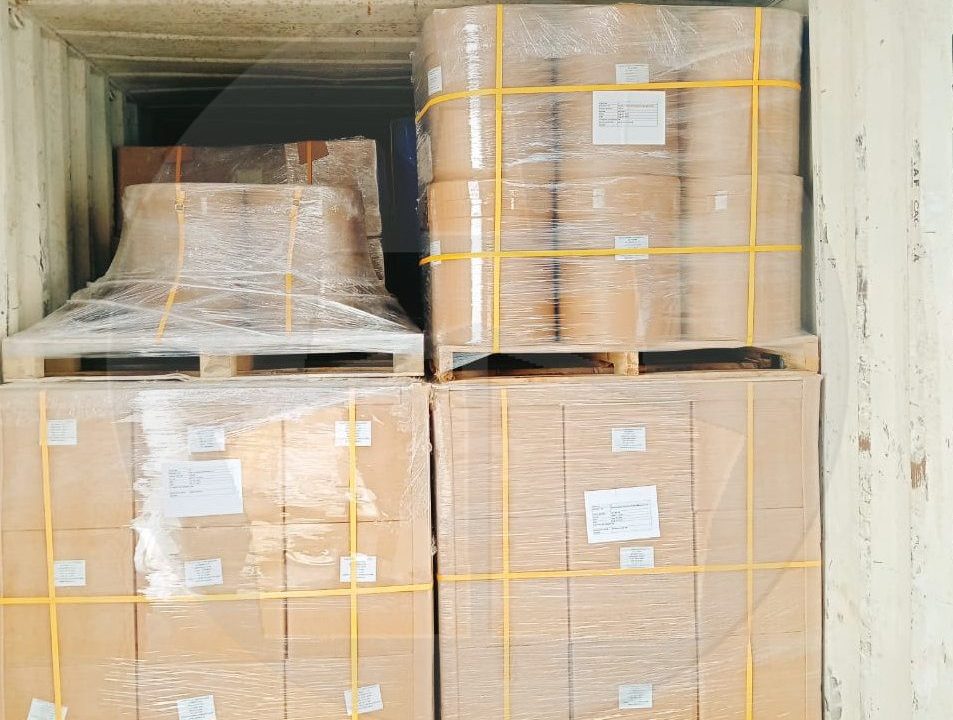
- Build the cargo on Euro pallets or standard pallets, secured with stretch wrap and strapping.
- If the cargo can be stacked on, say so when asking for a rate — it directly reduces LDM and cost.
- Wooden pallets and packing must be heat-treated and carry the ISPM 15 mark.
- Label every package with the consignee, package number and handling marks.
- Declare real weights and dimensions; any difference found at the consolidation warehouse changes the rate.
What determines the cost of road freight from Europe?
There is no fixed road freight rate. Each quotation is built from these factors:
- Origin city and country — the distance to the Turkish border and the cost of collection.
- Volume, weight and LDM — chargeable weight for groupage; trailer type and number for FTL.
- Stackability — non-stackable cargo uses more of the trailer.
- Type of goods — dangerous, out-of-gauge or high-value cargo is priced differently.
- Incoterms — who handles loading and the export declaration at origin.
- Border crossing and customs office of destination — depending on routing and where the goods clear.
- Season and the freight market — fuel prices and truck demand on the Türkiye corridor.
Road or sea freight?
For heavy, high-volume cargo that fits in a container, sea freight from the northern European ports to Shahid Rajaee can be the more economical option — our container dimensions page helps size it. For palletised and mid-sized cargo, and wherever repeated handling at ports and transhipment is a risk, road freight from the supplier’s door to the customs of destination is the simpler route. If the shipping line will not take a container all the way to Iran, cross stuffing in Jebel Ali is another option worth weighing.
Exports from Iran to Europe
The same route runs in reverse. For Iranian exporters we collect from the warehouse in Iran, coordinate export formalities and the border crossing, and deliver by full truck load (FTL) to the consignee’s door in Europe. Exports to Europe move as full truck loads only. If your cargo is bound for Central Asia instead, see our guide to transit through Iran to Central Asia and our road freight to Central Asia service.
Why Pars Setareh Samin?
- 30+ years of staff experience across the group in international freight to and from Iran.
- A licensed international freight forwarder in Iran.
- Collection anywhere in Europe, with one file handler from origin to the consignee’s warehouse.
- A consolidation hub in Sofia, Bulgaria, on the main Europe–Iran route, alongside consolidation in the origin country.
- Position updates at the borders and main points along the route.
- Transparent rates, with the conversion factors stated and groupage and FTL quoted side by side.
What to send us for a rate
The more complete the information, the more accurate the rate. Send the following through our quote request form:
- Collection city and country in Europe, or the supplier’s address
- Destination city in Iran and preferred customs office
- Description of goods and HS code, if known
- Number of packages or pallets, with dimensions and gross weight for each
- Whether the cargo is stackable, and how it is packed
- Incoterms, and whether the goods are dangerous
Wherever both are possible, we quote groupage and full truck load side by side, so the choice is yours.
Frequently asked
Groupage and FTL from Europe
In groupage (LTL) your cargo shares a trailer with other consignments and you pay only for the space it takes. In a full truck load (FTL) the whole trailer is yours — sealed at origin and untouched until customs at destination.
Usually once a shipment reaches around half a trailer, the FTL rate matches or undercuts groupage. At that point we quote both side by side.
On chargeable weight — the greatest of the actual weight, the volume and the loading meters (LDM) the cargo occupies. Stackable cargo takes less space and costs less.
Anywhere in Europe, from the supplier’s warehouse or factory door.
Either in the origin country itself or at our hub in Sofia, Bulgaria, which sits on the main Europe–Iran route.
Bazargan, opposite Gürbulak in Türkiye, or Poldasht on the Nakhchivan border. The crossing is chosen per shipment, based on border queues, the type of cargo and the customs office of destination.
The carrier holds CMR liability insurance, which pays up to the limit set by the CMR Convention and the policy issuer — usually well below the value of the goods. We do not provide separate cargo insurance and advise every cargo owner to arrange an independent policy for the full value.
No. Refrigerated and temperature-controlled cargo is not part of our service on the Europe route.
Yes, provided ADR and segregation rules are met, with a safety data sheet, UN number and compliant packing and labelling. Some combinations are not permitted, in which case a full truck is required.
Usually at the inland customs office of destination — Tehran for most clients — rather than at the border. Where clearing at the border makes more sense, we recommend it.
Yes. The same route runs in reverse, as full truck loads (FTL) only, from the warehouse in Iran to the consignee’s door in Europe.
Related reading
China to Iran via Jebel Ali: how cross stuffing gets your cargo to Bandar Abbas, Bushehr and Bandar Imam Khomeini
Import from China to Iran via Khor Fakkan, Fujairah and Jebel Ali: cross stuffing, full containers and part loads to Bandar Abbas, Bushehr and Imam Khomeini.
View →Five reasons your container is sitting at Bandar Abbas
Delay at Shahid Rajaee rarely has an exotic cause. It has five repeating ones, and most of them could have been settled before the vessel arrived.
View →Transit through Iran to Central Asia: what to settle before you book
Four things that, left unresolved before booking, wipe out the saving the Iranian route offers — from who discharges the guarantee to what delivery actually means.
View →Get your freight rate today
Send us the origin, destination, commodity and approximate weight. We reply within one working day.