
Our services
Cross stuffing in Jebel Ali for onward carriage to Iran
Cargo stripped from the origin carrier’s container and reloaded into one bound for Iran, in our own UAE yard, fully documented and issued a fresh bill of lading to Shahid Rajaee.
The problem it solves
When the carrier will not send its box to Iran
Many of the large carriers will not move their own containers into Iranian ports. Your cargo reaches Jebel Ali and stops there. Cross stuffing is the practical answer: the cargo is stripped from the origin line’s container, loaded into one that does go to Iran, and moves on to Shahid Rajaee under a fresh bill of lading.
The work is done in our own yard in the UAE, with covered warehousing, forklifts and trained labour. What matters is that the cargo is handled one more time than it otherwise would be, and every extra handling is a risk. That is why every stage is documented.
Step by step
What happens in the yard
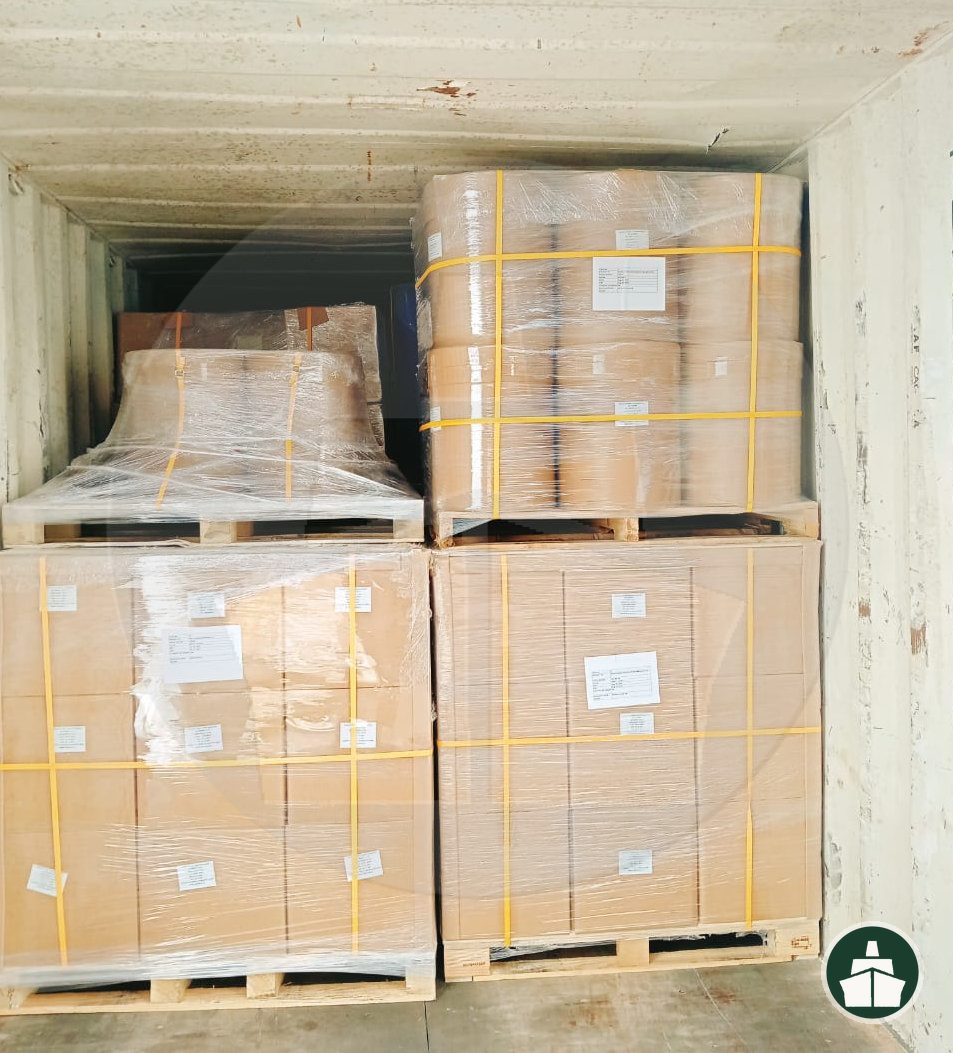
The origin container is taken over with its seal intact, and the seal number is recorded and photographed before anything is opened. The cargo is stripped, tallied and visually checked, and any damage is recorded before reloading begins.
It is then stowed and secured in the destination container, a new seal is fitted and its number recorded, and a fresh bill of lading is issued to the Iranian port. The photograph set and the condition report go to you.
- Origin seal recorded and photographed before opening
- Cargo tallied and visually inspected
- A condition report before reloading starts
- New seal and a fresh bill of lading to Iran
Other uses
Beyond carrier restrictions
Cross stuffing is not only a way around a carrier restriction. It has a few other uses that people rarely plan for in advance.
Consolidating suppliers
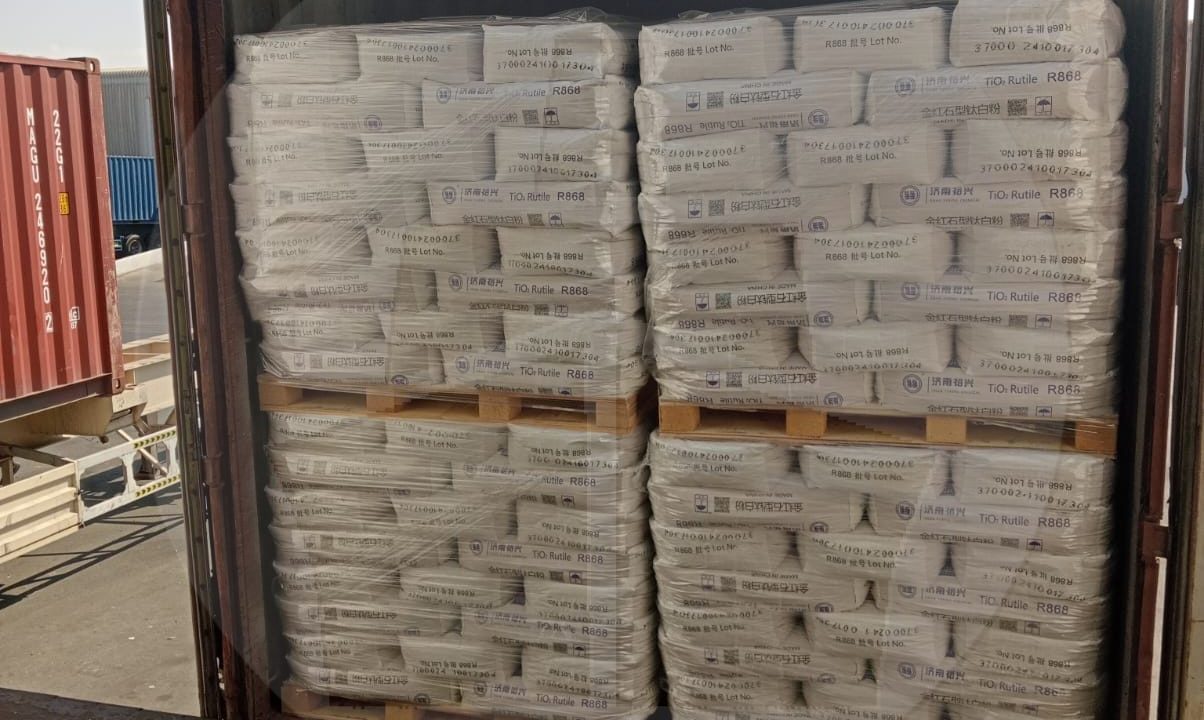
Several consignments from different suppliers collected in Jebel Ali and sent on to Iran in one container — cheaper than shipping each separately.
Splitting a container
One large container broken into smaller consignments for different consignees, each with its own paperwork.
Repacking and remarking
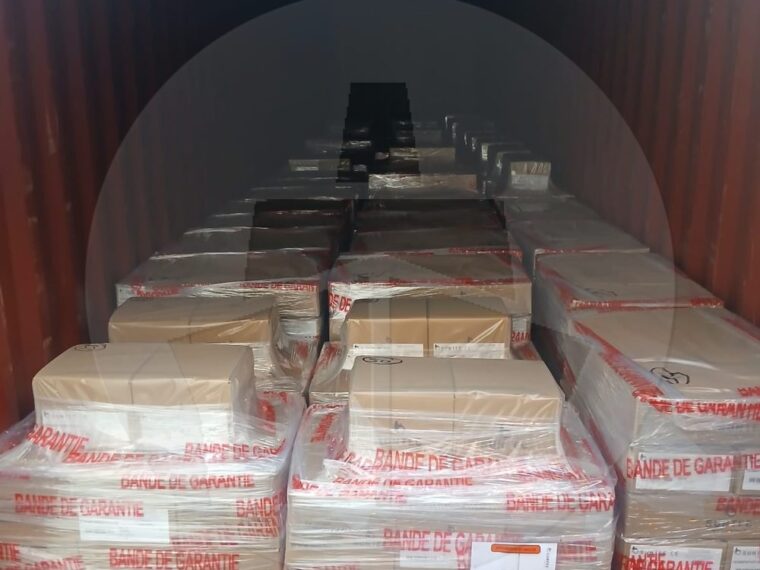
Poor packaging reworked, cargo re-palletised, or marks corrected before it reaches Iranian customs.
Common questions
About cross stuffing
In transhipment the container moves from one vessel to another untouched and the cargo is never opened. In cross stuffing the cargo comes out of one container and goes into another, and a new bill of lading is issued. One moves a box; the other moves the goods.
The operation itself is normally one to two working days. What usually takes longer is empty container availability and the next sailing to Shahid Rajaee. We put the real figure in the quotation.
Every extra handling carries risk and there is no point pretending otherwise. What we do is make the risk provable: the condition of the cargo is documented before and after, so if a claim arises it is clear where the damage occurred.
On the volume and nature of the cargo, how long it sits in the warehouse, and whether it is palletised or loose. Jebel Ali terminal storage is charged separately, and you can work that out on this site.
Cargo stuck in Jebel Ali?
Send us the bill of lading number, the nature and volume of the cargo and the destination, and we will quote the cross stuffing and the timing.
Related services
Sea Transport
Full container and groupage from any port in the world into Shahid Rajaee, Bandar Imam Khomeini, Bushehr, Assaluyeh and Khorramshahr — booked, documented and followed through to clearance.
View →Air Transport
For cargo that cannot wait for a vessel: space booked from the main origins into Imam Khomeini airport, quoted alongside the ocean option so you can compare.
View →Road Transport to CIS
From discharge at Shahid Rajaee to delivery in Uzbekistan, Turkmenistan, Tajikistan, Kazakhstan or Afghanistan — transit entry, road leg and permit discharge at the exit border.
View →Get your freight rate today
Send us the origin, destination, commodity and approximate weight. We reply within one working day.